
Time Travel Diaries: Exploring Prague Pt.1 - Prague Castle
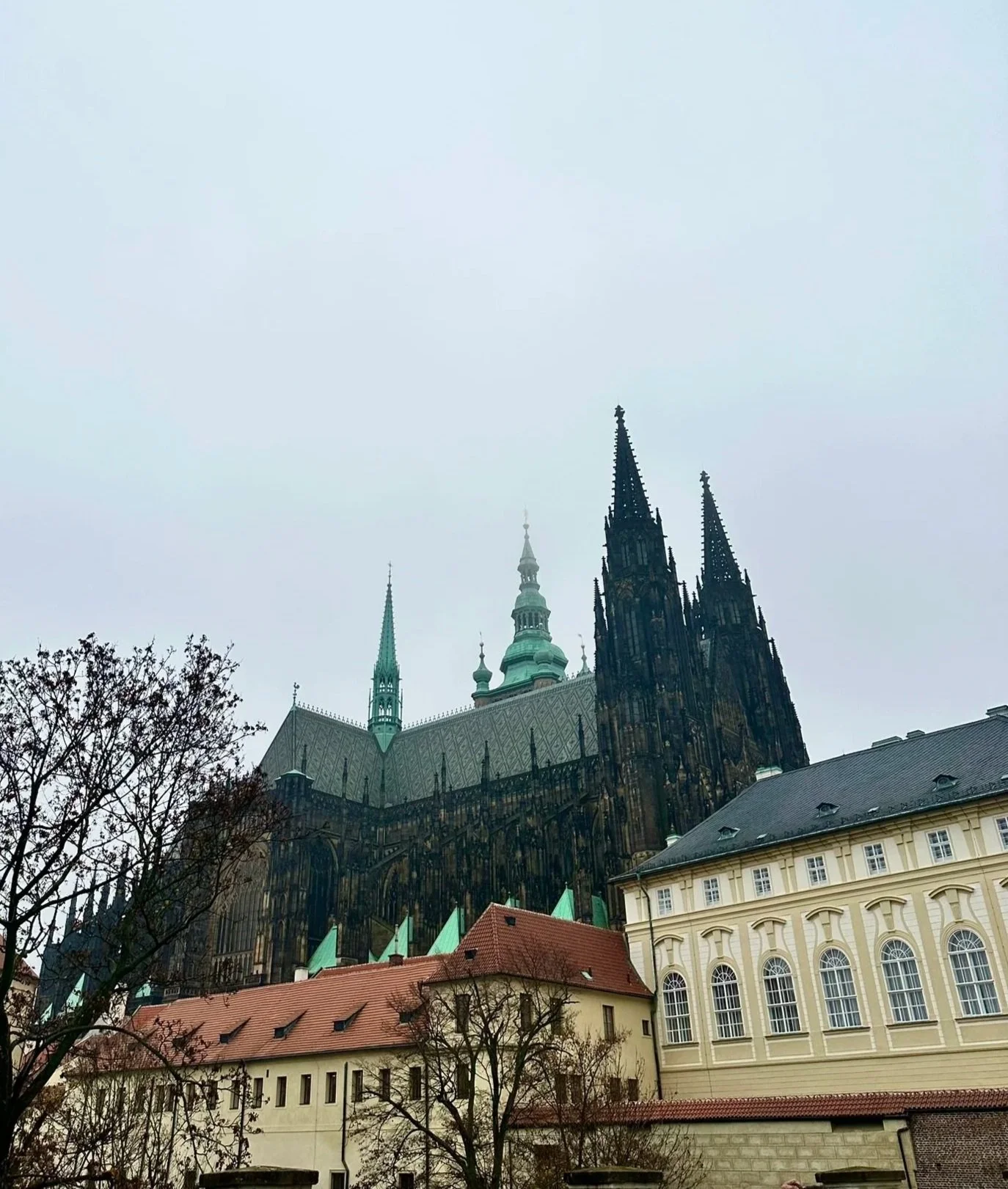
Prague had always been high on my list of must-visit cities, but nothing could have prepared me for the way it completely swept me off my feet. From the first moment I set foot in the city, I felt like I had been transported into a medieval dream. The red rooftops, the Gothic spires, the winding alleys—it was all even more picturesque than I had imagined!
I knew Prague Castle was going to be impressive. After all, it’s one of the largest and most historically significant castle complexes in the world. But even with all the photos I had seen and the research I had done, I was still caught off guard. The sheer size, the rich details, and the way each building had its own unique personality—it was overwhelming in the best possible way.
For those who have yet to visit Prague Castle, you should know the castle complex isn’t just one single structure but a collection of palaces, churches, towers, and alleyways, each with its own story to tell, and forms something closer to a grand medieval civilisation than just a royal building. Over the course of my visit, I explored four of its most fascinating spots:
The Old Royal Palace, where kings ruled and history was made
St. George’s Basilica, a quiet Romanesque gem that transports you back in time
Golden Lane, a colorful, whimsical street that feels straight out of a fairytale
St. Vitus Cathedral, the breathtaking Gothic heart of Prague
At the end of this article, I’ll also include some practical recommendations—things I wish I had known before visiting, tips to make the most of your time, and little details that can enhance your experience. If you’re planning a trip to Prague, or just dreaming about it, consider this your personal time-travel guide to one of Europe’s most stunning castles.
I. Old Royal Palace: Where Kings Ruled and History Was Made
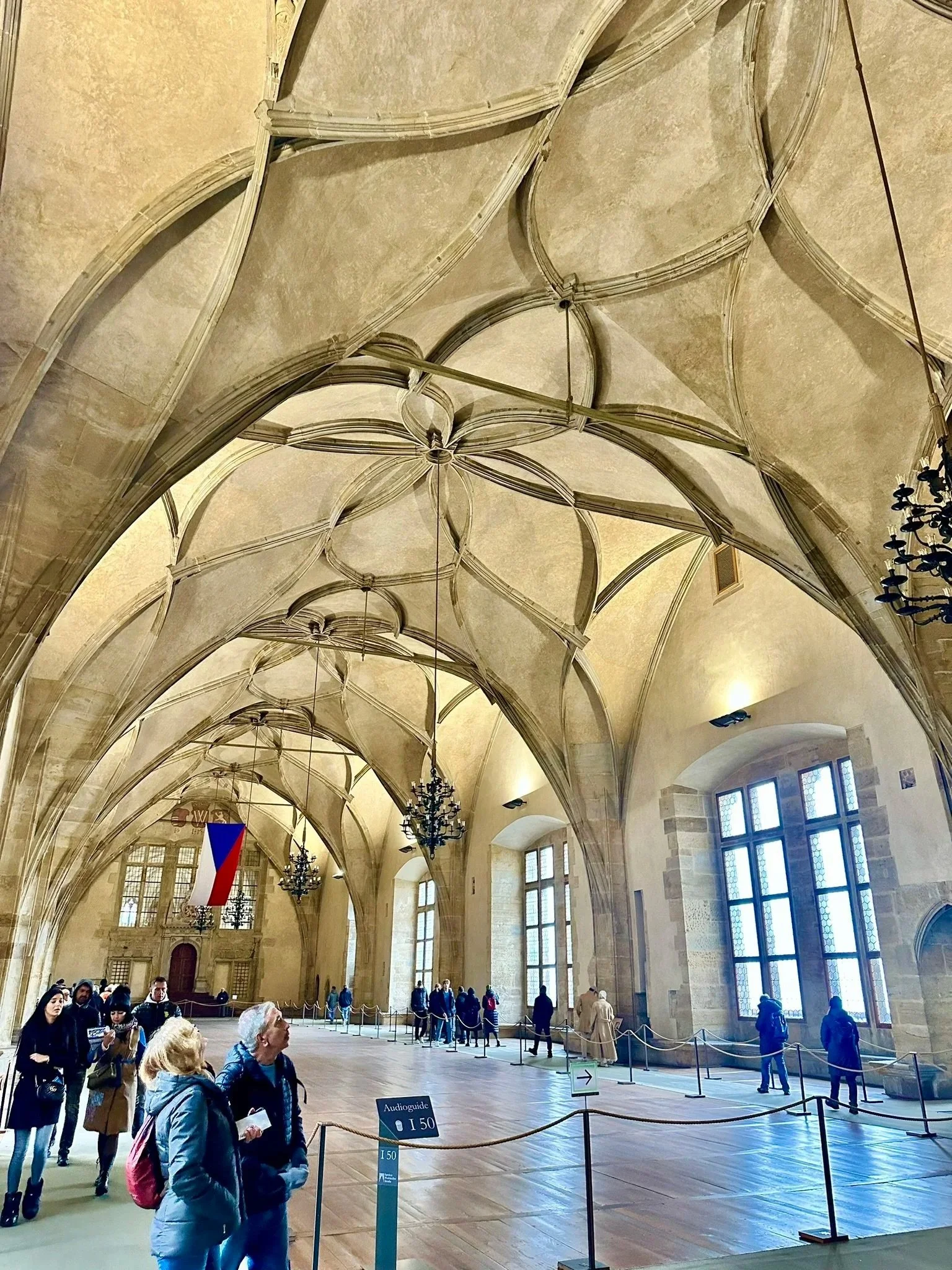
Walking into the Old Royal Palace is like stepping into the shoes of Bohemia’s rulers. Originally built in the 12th century, this structure grew and changed over the years, reflecting the tastes and ambitions of the monarchs who called it home. It’s a patchwork of architectural styles, but the undisputed star of the show is the Vladislav Hall.
This vast Gothic chamber is nothing short of breathtaking. Imagine banquets so grand they became the stuff of legend or knights on horseback clashing in indoor tournaments. Yes, actual jousting matches took place here! As you wander beneath the hall’s soaring ribbed vaults, it’s easy to picture the drama, intrigue, and pageantry that once unfolded.
And let’s talk about the views—head to the southern balcony, and you’ll be rewarded with one of the best panoramas in Prague. The red rooftops and winding streets below feel like something out of a medieval painting. If walls could talk, the Old Royal Palace would have an epic tale to tell.
One of my favourite spots within this building was tucked away in one of the alcove rooms connected to the main hall—a seemingly quiet space, but one steeped in dark and dramatic history. In the corner of this room sits a small, almost unnoticeable informational panel. It’s the kind of thing you might glance past without a second thought, especially with the incredible views just outside the window to distract you. But if you stop to read it, you’ll discover that this very spot was the scene of multiple defenestrations!
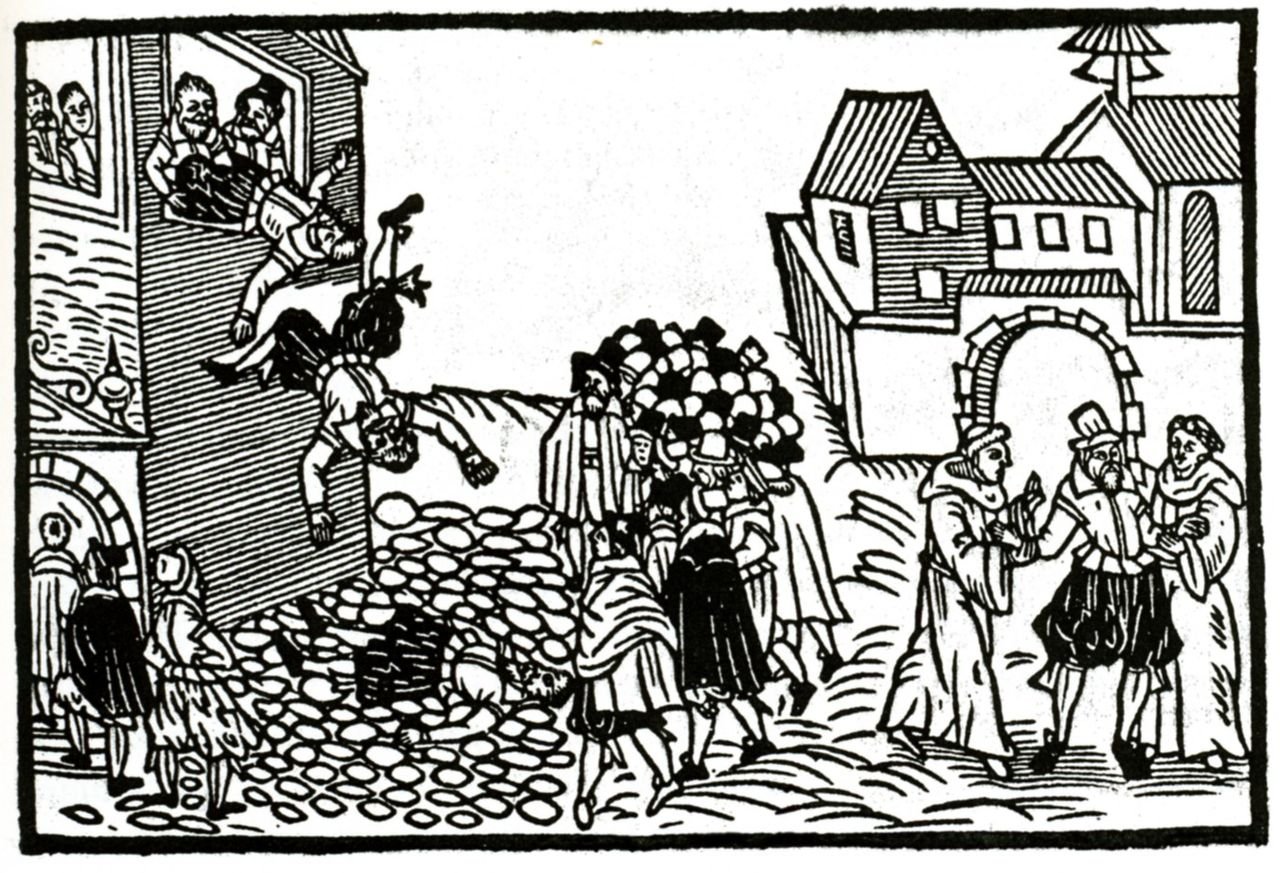
Defenestration (noun):
The act of throwing someone out of a window
Famously associated with three major historical incidents in Bohemia. The most well-known occurred in 1618, when Protestant nobles in Prague hurled two Catholic royal governors and their secretary out of a third-story window of Hradčany Castle. Though they survived the fall (thanks, allegedly, to a manure pile), the event triggered the Thirty Years’ War. The term, while already existing in Middle French, became widely used in English largely due to these dramatic events in Prague.
The panel is modest, practically hidden in plain sight, and yet it contains some of the most gruesome and shocking details tied to the history of Prague Castle. It’s a quiet corner with a loud past. I was struck by how easy it would be to stand there, admiring the view over the city, completely unaware of the horror that once unfolded in that exact spot. What’s even more eerie is that not all who were thrown from those windows died—some survived, sparking further intrigue and legend.
III. St. George’s Basilica: Quiet, Simple, and Soul-Stirring
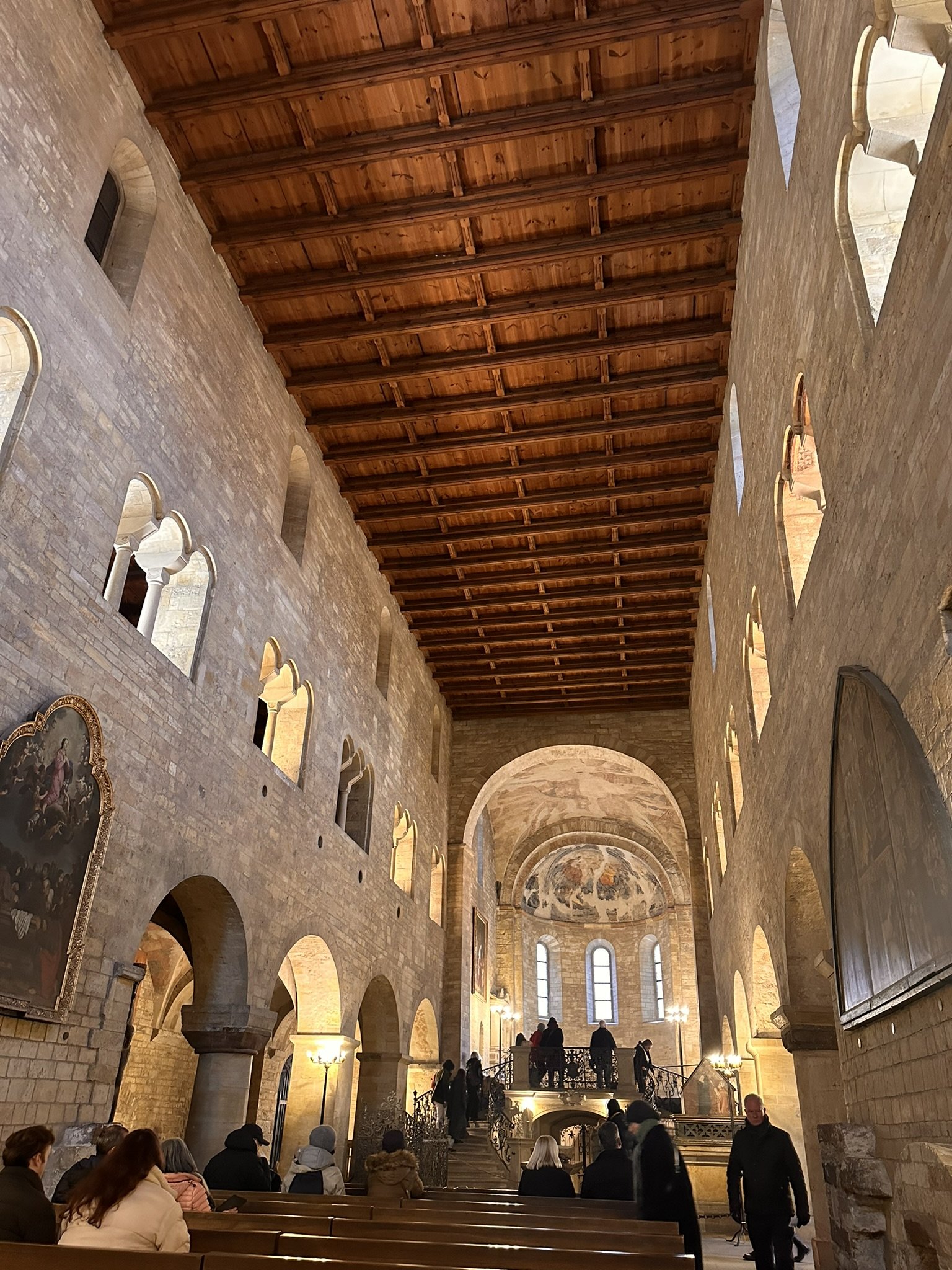
If the Old Royal Palace is all about grandeur, St. George’s Basilica is a lesson in understated beauty. Built in the 10th century, this Romanesque church might not scream “look at me!” like some of Prague’s flashier landmarks, but its quiet dignity speaks volumes.
The basilica’s façade is charmingly modest with its earthy red hues and twin towers that seem frozen in time. Step inside, though, and you’ll feel a wave of tranquility. The interior is refreshingly simple—none of the overwhelming gilded excess you might find in later Baroque churches. Instead, you’ll see stark stone walls and graceful arches that seem to invite reflection.
This isn’t just a pretty place; it’s steeped in history. The basilica is the final resting place of members of the Přemyslid dynasty, Bohemia’s first royal family. It’s hard not to feel the weight of their legacy as you wander through. Pro tip: check the concert schedule! Listening to classical music in this ancient space is pure magic.
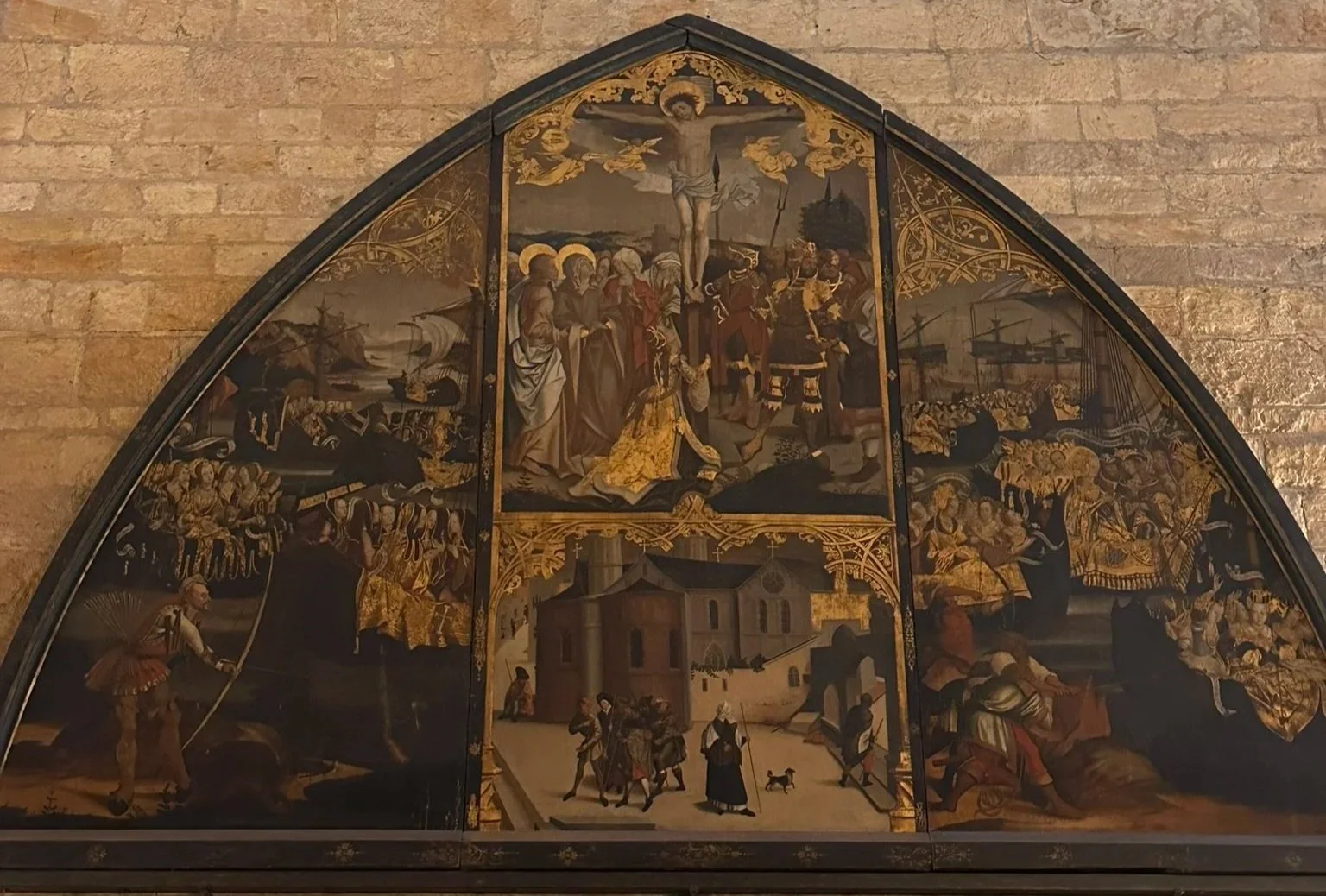
My favourite painting from the whole day! The detail and guilding was so gorgeous and I loved the little dog in the bottom middle panel too!
V. Golden Lane: A Fairy Tale in Real Life
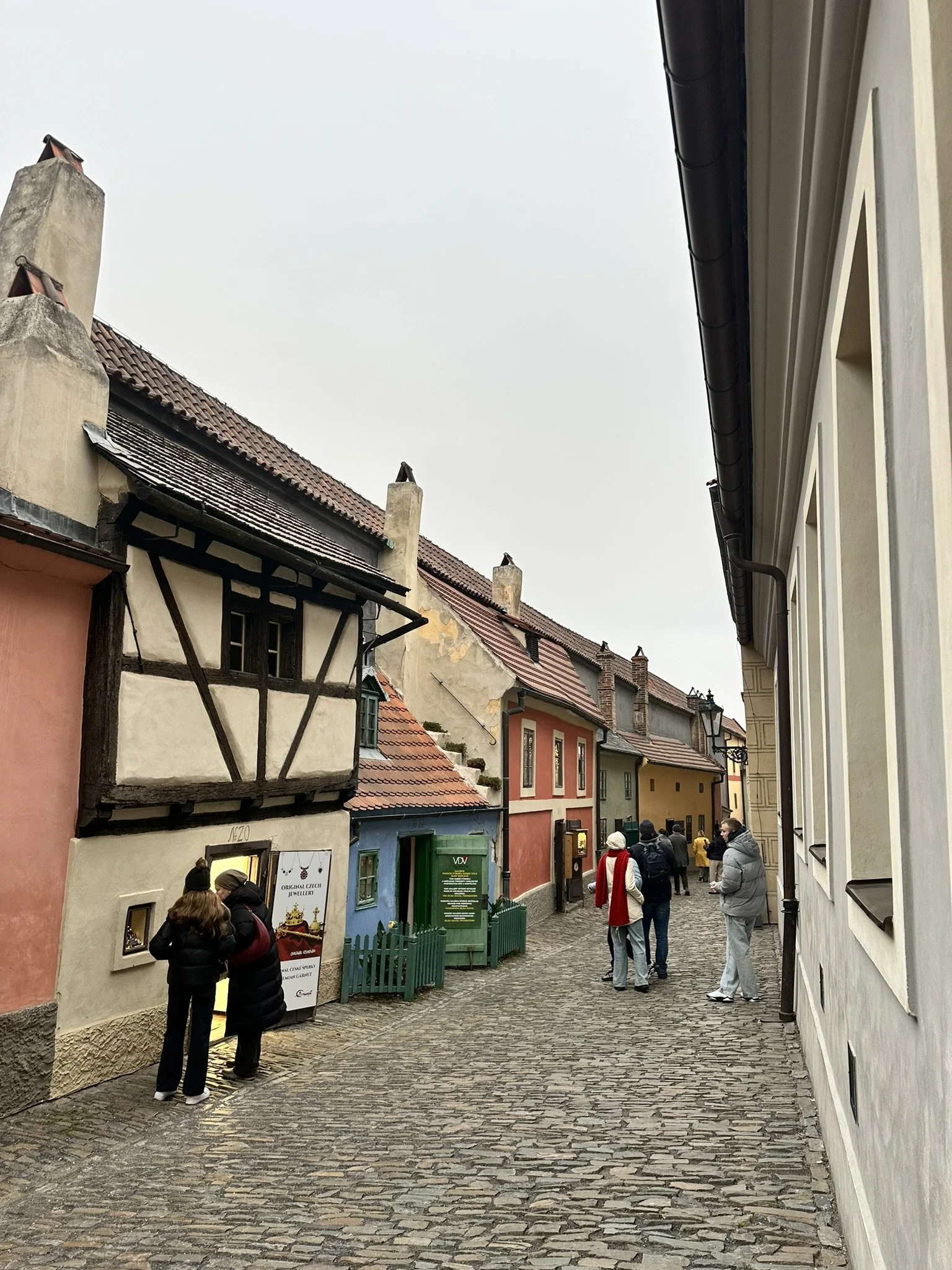
Golden Lane is like stumbling onto a movie set for a fantasy film. This tiny, narrow street tucked within Prague Castle is lined with quirky, colorful houses that look straight out of a storybook. Back in the day, these houses were home to castle guards, craftsmen, and—if the legends are true—alchemists trying to turn lead into gold. (Spoiler: they didn’t succeed.)
As you wander along the lane, you’ll find some of the houses turned into mini-museums and shops. One of the most famous residents was Franz Kafka, the brilliant yet tormented writer who briefly lived in house number 22. These days, his former abode is a charming bookstore where you can pick up Kafka’s works—or just a cool postcard.
But Golden Lane isn’t just about history—it’s about the little moments. Peek into the preserved homes to see how people lived centuries ago or take your time browsing the handmade trinkets in the shops. Every corner here feels like it’s hiding a secret, and it’s easy to let your imagination run wild.
VIII. St. Vitus Cathedral: A Gothic Dream Come to Life
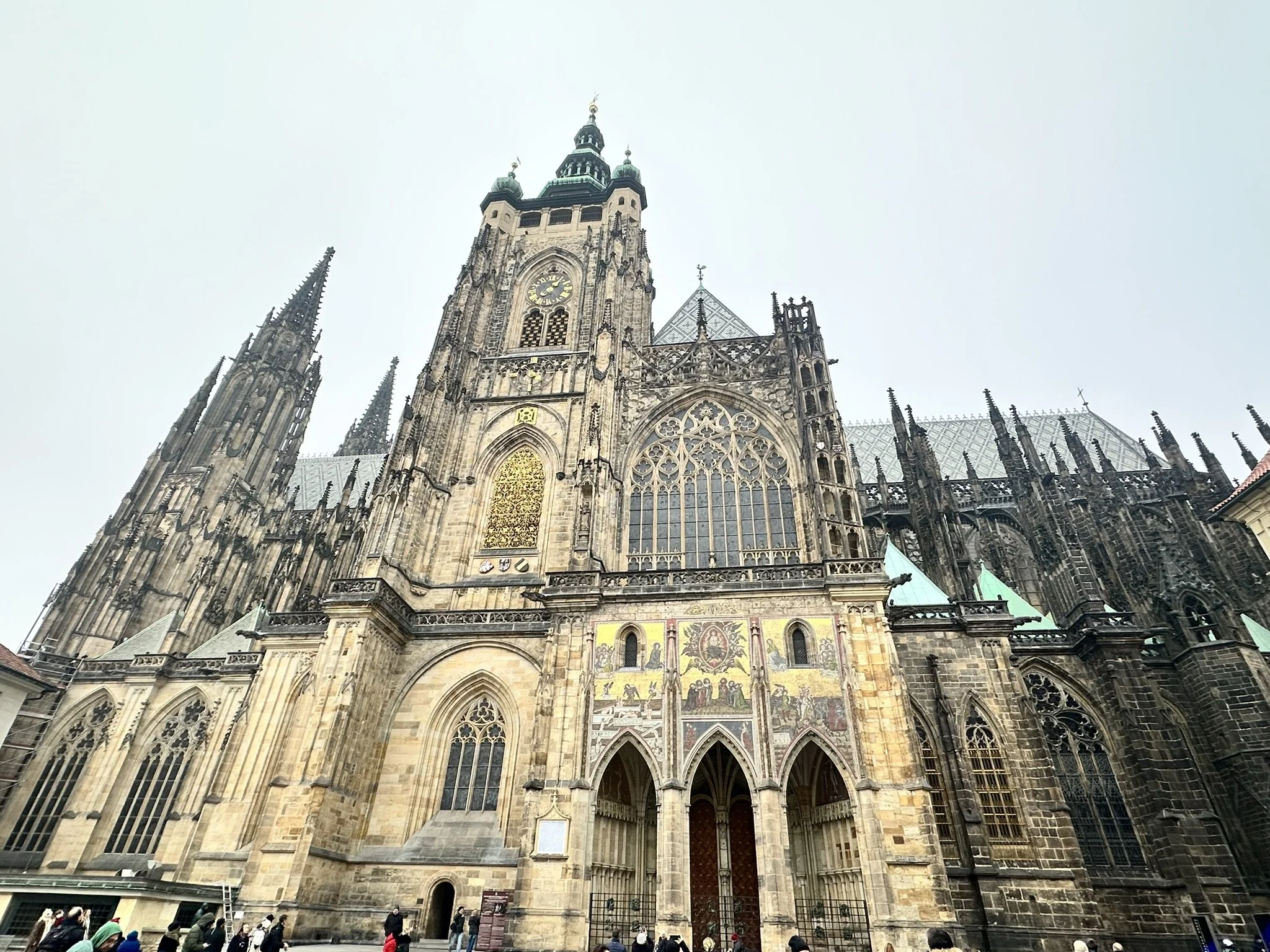
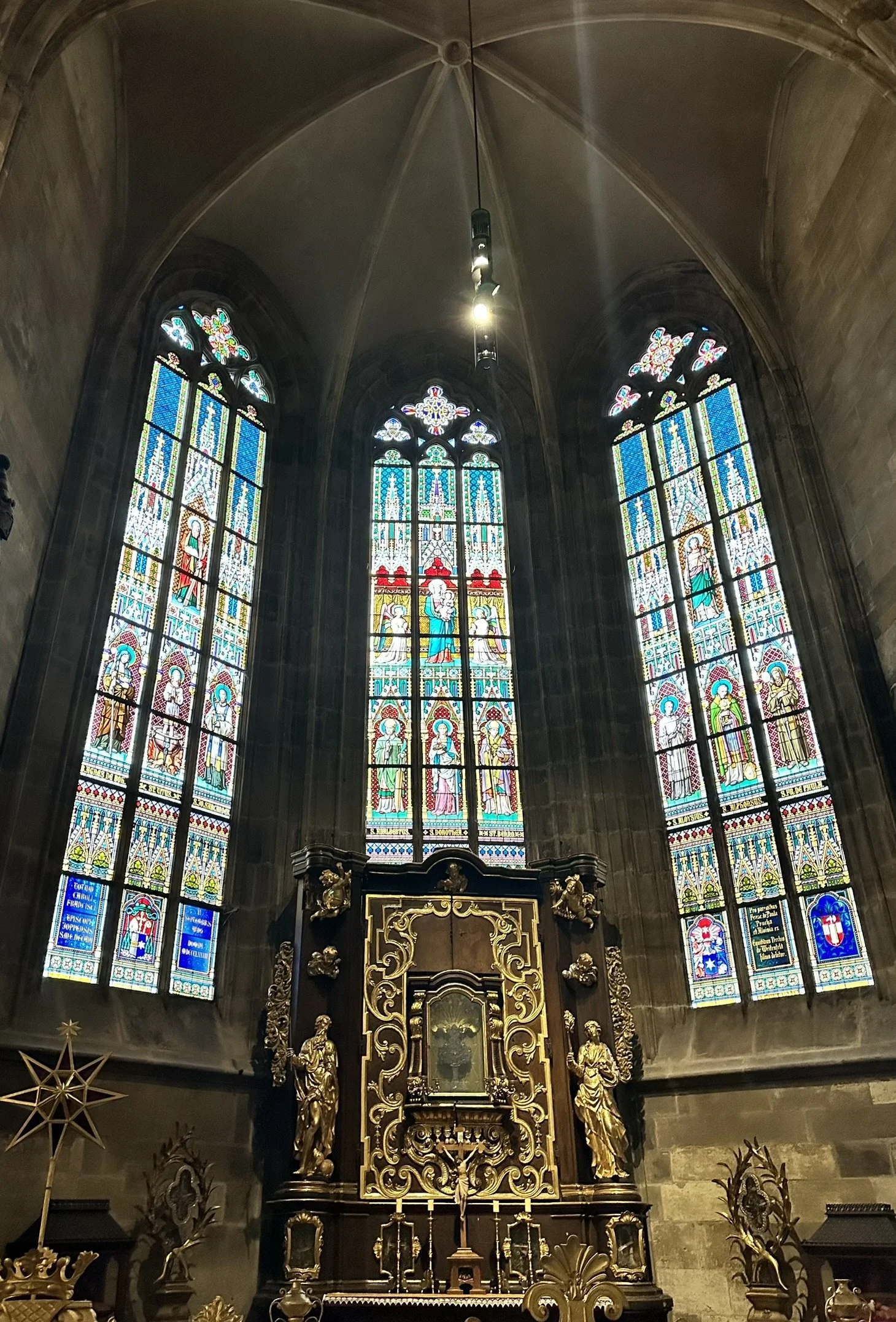
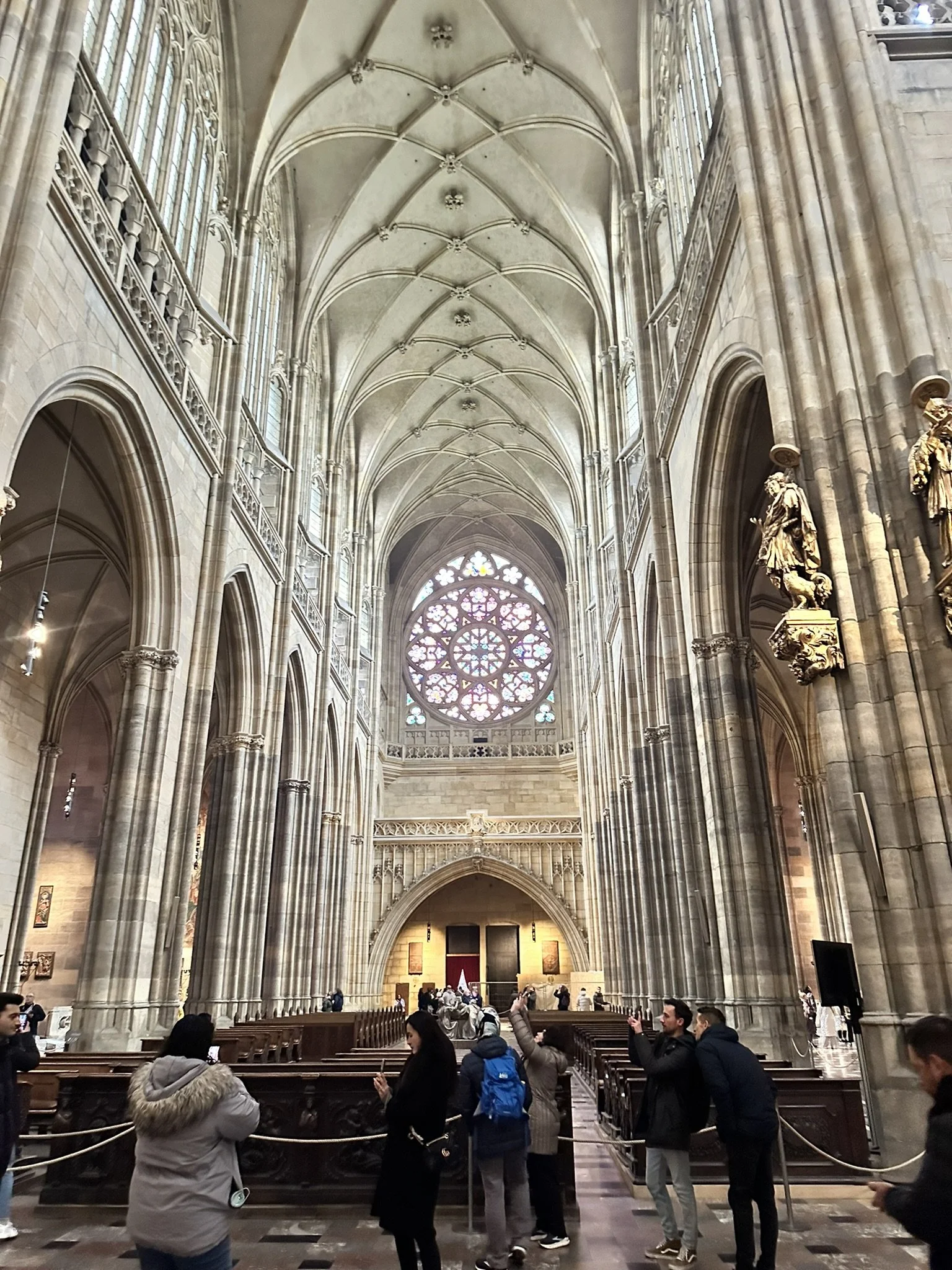
Towering over everything else in Prague Castle is the majestic St. Vitus Cathedral, a building so grand it’s hard to put into words. Construction started in 1344 and took almost 600 years to finish, but the wait was worth it. This is Gothic architecture at its finest, from the impossibly tall spires to the intricate details on every surface.
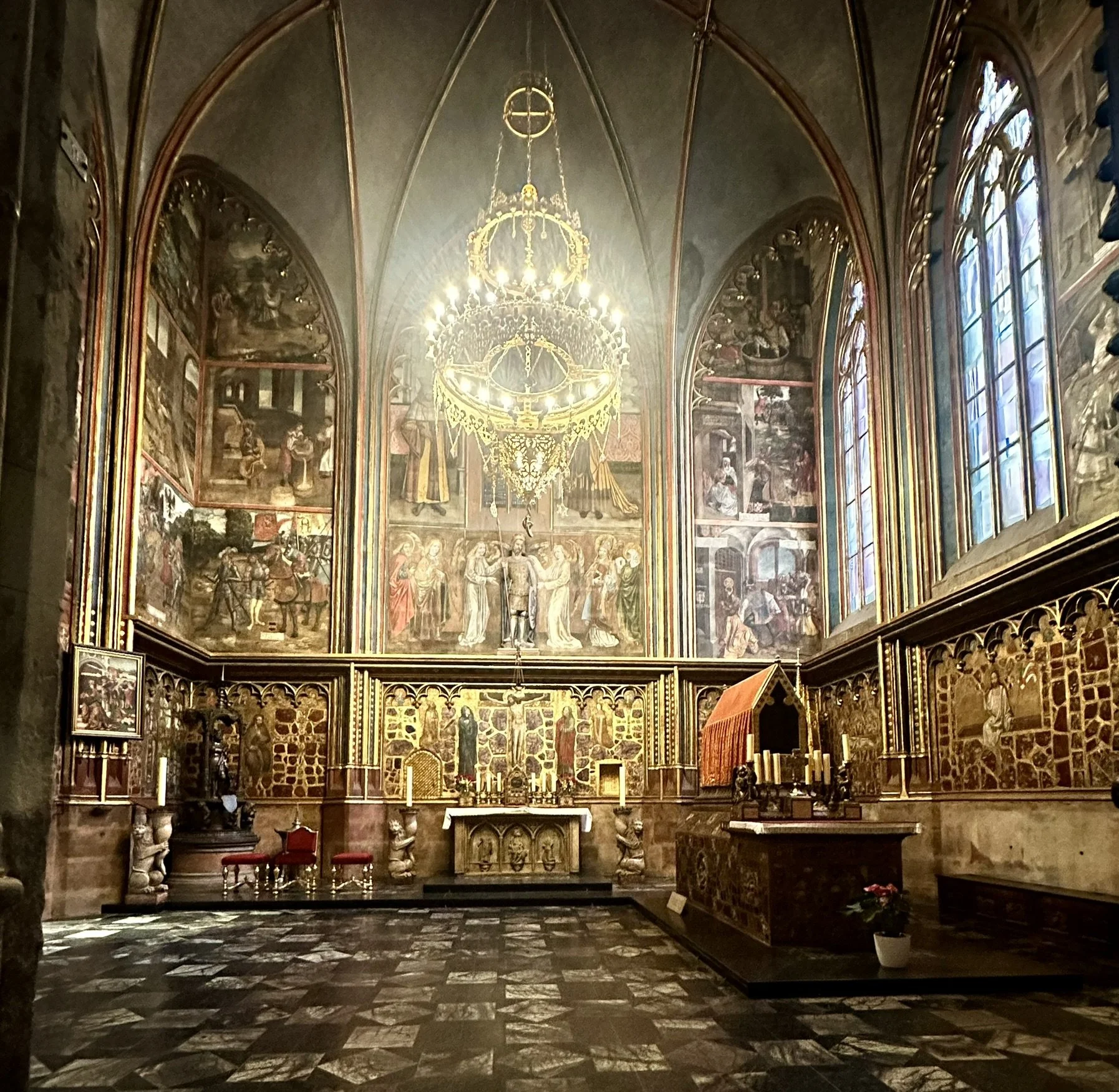
The first thing that’ll stop you in your tracks is the massive stained-glass windows, especially the one by Alphonse Mucha, a celebrated Czech artist. The vibrant colors and intricate designs practically glow, casting a kaleidoscope of light onto the stone floors. As you make your way deeper inside, you’ll find the St. Wenceslas Chapel, a dazzling jewel box of a room that houses the relics of the saint himself.
For those who aren’t afraid of heights, climbing the cathedral’s south tower is a must. The stairs are steep, and your legs might hate you afterward, but the views from the top are unforgettable. From here, you can see all of Prague spread out like a living map—a sight that makes the effort more than worth it.
Need to Know: Tips & Tricks for Visiting Prague Castle
Arrive early or later in the afternoon.
Prague Castle is one of the busiest attractions in the city. Getting there right at opening time—or visiting later in the day—means fewer crowds and a calmer experience, especially inside St. Vitus Cathedral and the Old Royal Palace.Choose the right ticket circuit.
The castle operates on different ticket “circuits,” each granting access to various buildings such as the main circuit which includes entry to St. Vitus Cathedral, St. George’s Basilica, Golden Lane, and the Old Royal Palace. I was visiting in the afternoon so chose to do the main circuit due to time contstraints so if you want to see everything make sure to turn up with plenty of time.Allow more time than you expect.
Prague Castle isn’t a single monument—it’s an entire historical complex. I spent approximately 3–4 hours exploring and this included a breakf for lunch and a tea too - Allocate plenty of time so you can visit and engage properly without feeling rushed.Wear comfortable shoes.
The complex is expansive, with cobbled courtyards and plenty of walking between buildings. If you plan to climb the cathedral tower, sturdy footwear is essential.Check the weather forecast.
Much of your visit involves moving between outdoor courtyards. On clear days, the views over Prague are spectacular, but windy or cold weather can feel amplified up on the hill.Plan your route up (and down).
Walking up from Malá Strana is scenic but steep. Taking the tram up and strolling down afterward is often the most enjoyable and energy-efficient option.
Why Prague Castle Is Worth Every Minute
Prague Castle isn’t just a place you visit; it’s a place you experience. From the stately halls of the Old Royal Palace to the intimate charm of Golden Lane, every corner feels alive with stories waiting to be uncovered. And the best part? This is only the beginning.
Stay tuned for Part 2 of the Time Travel Diaries, where we’ll continue our journey through Prague’s rich tapestry of history and culture. Until then, pack your curiosity and sense of wonder—there’s no better way to explore this enchanting city!
